Alcoholics Anonymous Luxembourg
12 Promises Group
General Information

Need help?
Welcome to the English-Speaking Alcoholics Anonymous 12 Promises Group of Luxembourg. We are a fellowship of people who share their experience, strength and hope with each other, to solve our common problem and help others to recover from alcoholism.

A.A has a solution.
That isn’t an empty promise. A.A has been helping alcoholics recover for more than 80 years.
A.A’s program of recovery is built on the simple foundation of one sharing with another.
If your drinking is out of control A.A can help.

Anyone with a desire to stop drinking is welcome, regardless of race, gender, sexual orientation, religion, income or profession.
You can just sit and listen and learn more about recovery, or you can share about your situation. It’s completely up to you.
Presentation
Who are we?
Alcoholics Anonymous (AA) is a fellowship of people who come together to solve their drinking problem.
It doesn’t cost anything to attend an AA meeting. There are no age or education requirements to participate.
Membership is open to anyone who wants to do something about their drinking problem. AA’s primary purpose is to help alcoholics to achieve sobriety.
How AA works?
Alcoholics Anonymous offers a recovery process.
One of the keys to AA’s success is the therapeutic value of help from one alcoholic to another.
Members use the Twelve Steps to maintain sobriety & groups use the Twelve Traditions to stay unified.
AA’s Twelve steps are a set of spiritual principles.
When practised as a way of life, they can expel the obsession to drink and enable the sufferer to recover from alcoholism.
Quiz
Please answer YES or NO to the following questions.
Only you can decide whether you want to give AA a try – whether you think it can help you. Below are some questions we tried to answer honestly.
-
Have you ever decided to stop drinking for a week or so, but only lasted for a couple of days?
-
Do you wish people would mind their own business about your drinking – stop telling you what to do?
-
Have you ever switched from one kind of drink to another in hope that this would keep you from getting drunk?
-
Have you had to have a drink upon awakening during the past year?
-
Do you envy people who can drink without getting into trouble?
-
Have you had problems connected with drinking during the past year?
-
Has your drinking caused trouble at home?
-
Do you ever try to get “extra” drinks at a party because you do not get enough?
-
Do you tell yourself you can stop drinking any time you want to, even though you keep getting drunk when you don’t mean to?
-
Have you missed days of work or school because of your drinking?
-
Do you have “blackouts”?
-
Have you ever felt that your life would be better if you did not drink?
- Have you ever decided to stop drinking for a week or so, but only lasted for a couple of days?
- Do you wish people would mind their own business about your drinking – stop telling you what to do?
- Have you ever switched from one kind of drink to another in hope that this would keep you from getting drunk?
- Have you had to have a drink upon awakening during the past year?
- Do you envy people who can drink without getting into trouble?
- Have you had problems connected with drinking during the past year?
- Has your drinking caused trouble at home?
- Do you ever try to get “extra” drinks at a party because you do not get enough?
- Do you tell yourself you can stop drinking any time you want to, even though you keep getting drunk when you don’t mean to?
- Have you missed days of work or school because of your drinking?
- Do you have “blackouts”?
- Have you ever felt that your life would be better if you did not drink?
YES | NO
YES | NO
YES | NO
YES | NO
YES | NO
YES | NO
YES | NO
YES | NO
YES | NO
YES | NO
YES | NO
YES | NO
Did you answer YES four or more times?
If so, you are probably in trouble with alcohol. Why do we say this?
Because thousands of people in AA have said so for many years. They found out the truth about themselves, the hard way. But again, only you can decide whether you think AA is for you. Try to keep an open mind on the subject. If the answer is YES, we will be glad to show you how we stopped drinking ourselves.AA does not promise to solve your life’s problems. But we can show you how we are learning to live without drinking “one day at a time”. If there is no first one, there cannot be a tenth one. And when we got rid of alcohol, we found that life because much more manageable.
Common Q&A
Alcoholism is a progressive illness. Alcoholics have a physical sensitivity and a mental obsession with alcohol, making willpower alone insufficient. Recovery is possible through the AA program.
Only you can decide. If alcohol is causing problems in your life or feels
unmanageable, AA may be able to help.
No. Once someone becomes an alcoholic, controlled drinking is no longer possible. The safe option is complete sobriety.
For alcoholics, any form of alcohol leads back to loss of control. Sobriety means total abstinence.
It’s not how often you drink, but how you drink. If binges are causing problems or becoming harder to control, AA may help.
The decision is yours. If you feel alcohol is controlling your life, AA is here to help.
Some do, but most find lasting sobriety by also connecting with other alcoholics through AA meetings and fellowship.
No. Anonymity is a core principle of AA. Your privacy is respected, and no one will reveal your membership.
Yes. AA works for anyone who wants to stop drinking, no matter their background or situation.
Yes. Some join after years of being sober on their own, but find AA gives them a happier, stronger sobriety through fellowship.
Helping others stay sober helps members stay sober too.
AA is a worldwide fellowship of people who share their experience, strength, and hope to stay sober and help others. The only requirement is a desire to stop drinking.
AA started in 1935 in Akron, Ohio, when two alcoholics discovered they could stay sober by helping each other.
No. There are no musts, dues, or attendance requirements. The only requirement is a desire to stop drinking.
No. AA is self-supporting through voluntary contributions.
No. AA is spiritual, not religious. Members are free to choose their own understanding of a “Higher Power”—or none at all. People of all beliefs are welcome.
Yes. About 38% of AA members are women, and that number continues to grow.
Yes. Many join in their teens or twenties, choosing sobriety before things get worse. In AA, age differences don’t matter—everyone starts from their last drink.
There are no applications. You simply show up at meetings.
Open meetings are for anyone interested—alcoholics, families, or friends. Members share their stories, and guests are welcome to listen.
Yes, to open meetings. Closed meetings are for alcoholics only.
It’s up to each person. Many go weekly, some more often, especially at the start. Regular attendance helps maintain sobriety.
No. Many choose to keep going because meetings help them stay sober today.
Sobriety takes some time, but most members find it’s a small price compared to the hours once lost to drinking.
Most members discover that real friendships and real fun began after they joined AA.
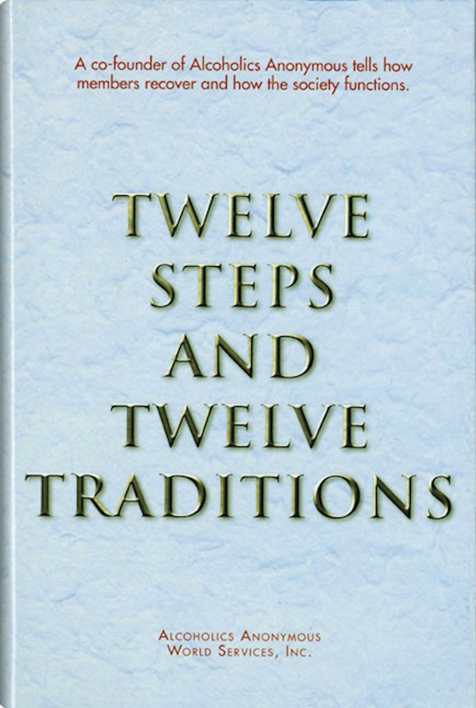
The Twelve Steps are AA’s program of recovery—a set of principles based on the experience of early members. They are suggested, not required, but many find them essential for lasting sobriety.
The Twelve Traditions are guiding principles that keep AA groups unified and focused on their primary purpose: helping alcoholics achieve sobriety.
AA members stay sober one day at a time. The focus is on not drinking today.
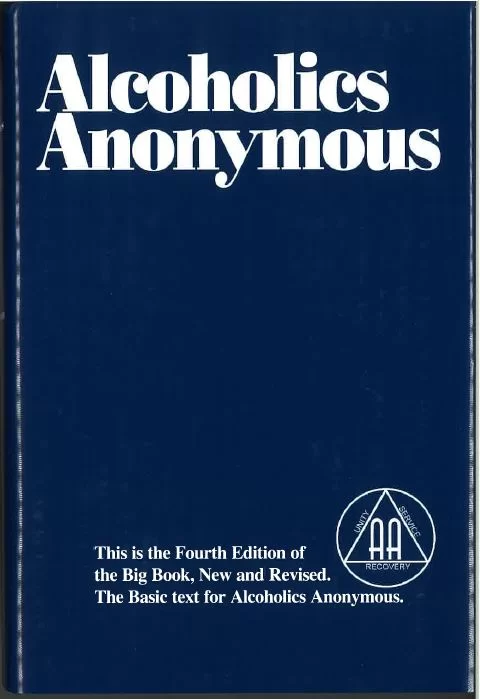
Yes. The main text is Alcoholics Anonymous (the “Big Book”), now in its 4th edition.
Sobriety often helps repair family relationships, though healing takes time. Many find that once they focus on recovery, family life improves too.
No. AA is nonprofessional and not connected to treatment facilities. It is simply alcoholics helping each other stay sober.
Social events sometimes happen locally—like dinners, picnics, or anniversaries—but AA’s main purpose is sobriety.
AA relies on attraction, not promotion. Service committees share information with the media while respecting members’ anonymity.
Many doctors support AA and often recommend it, seeing how effective it has been when other methods have failed.
Alcoholism is a progressive illness. Alcoholics have a physical sensitivity and a mental obsession with alcohol, making willpower alone insufficient. Recovery is possible through the AA program.
Only you can decide. If alcohol is causing problems in your life or feels unmanageable, AA may be able to help.
No. Once someone becomes an alcoholic, controlled drinking is no longer possible. The safe option is complete sobriety.
For alcoholics, any form of alcohol leads back to loss of control. Sobriety means total abstinence.
It’s not how often you drink, but how you drink. If binges are causing problems or becoming harder to control, AA may help.
The decision is yours. If you feel alcohol is controlling your life, AA is here to help.
Some do, but most find lasting sobriety by also connecting with other alcoholics through AA meetings and fellowship.
No. Anonymity is a core principle of AA. Your privacy is respected, and no one will reveal your membership.
Yes. AA works for anyone who wants to stop drinking, no matter their background or situation.
Yes. Some join after years of being sober on their own, but find AA gives them a happier, stronger sobriety through fellowship.
Helping others stay sober helps members stay sober too.
AA is a worldwide fellowship of people who share their experience, strength, and hope to stay sober and help others. The only requirement is a desire to stop drinking.
AA started in 1935 in Akron, Ohio, when two alcoholics discovered they could stay sober by helping each other.
No. There are no musts, dues, or attendance requirements. The only requirement is a desire to stop drinking.
No. AA is self-supporting through voluntary contributions.
No. AA is spiritual, not religious. Members are free to choose their own understanding of a “Higher Power”—or none at all. People of all beliefs are welcome.
Yes. About 38% of AA members are women, and that number continues to grow.
Yes. Many join in their teens or twenties, choosing sobriety before things get worse. In AA, age differences don’t matter—everyone starts from their last drink.
There are no applications. You simply show up at meetings.
Open meetings are for anyone interested—alcoholics, families, or friends. Members share their stories, and guests are welcome to listen.
Yes, to open meetings. Closed meetings are for alcoholics only.
It’s up to each person. Many go weekly, some more often, especially at the start. Regular attendance helps maintain sobriety.
No. Many choose to keep going because meetings help them stay sober today.
Sobriety takes some time, but most members find it’s a small price compared to the hours once lost to drinking.
Most members discover that real friendships and real fun began after they joined AA.
The Twelve Steps are AA’s program of recovery—a set of principles based on the experience of early members. They are suggested, not required, but many find them essential for lasting sobriety.
The Twelve Traditions are guiding principles that keep AA groups unified and focused on their primary purpose: helping alcoholics achieve sobriety.
AA members stay sober one day at a time. The focus is on not drinking today.
Yes. The main text is Alcoholics Anonymous (the “Big Book”), now in its 4th edition.
Sobriety often helps repair family relationships, though healing takes time. Many find that once they focus on recovery, family life improves too.
No. AA is nonprofessional and not connected to treatment facilities. It is simply alcoholics helping each other stay sober.
Social events sometimes happen locally—like dinners, picnics, or anniversaries—but AA’s main purpose is sobriety.
AA relies on attraction, not promotion. Service committees share information with the media while respecting members’ anonymity.
Many doctors support AA and often recommend it, seeing how effective it has been when other methods have failed.
Where to find us ?
Meeting informations :
English Speaking Meetings (Open Meeting) :
-
Tuesday 19:30 - 20:30
-
Thursday 19:00 - 20:00
-
Sunday 10:00 - 11:00
For any additional questions :
Our Literature
All our literature copies are available for purchase at our meetings. Here are some free pdf copies.
The Big Book of A.A.
12 Steps & 12 Traditions
As Bill Sees It


Call us on our English AA Luxembourg phone line +352 621 382 893
Email us at luxembourg@alcoholics-anonymous.eu
Alcoholics Anonymous Luxembourg, 12 Promises Group affilitated to Alcoholics Anonymous World Services, Inc. Copyright © 2025 All rights reserved